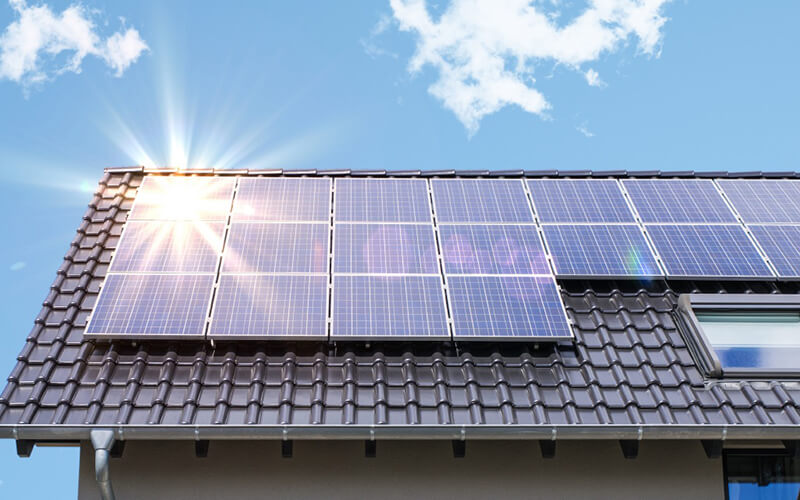
بومنگ سولر فوٽووولٽڪ انڊسٽري سان, وڌيڪ ۽ وڌيڪ ماڻهو پنهنجن گهرن ۾ سولر سسٽم استعمال ڪري رهيا آهن, يا روزاني زندگي ۾ شمسي توانائي واريون شيون, جهڙوڪ شمسي توانائي سان هلندڙ هيٽر, شمسي باغ جي روشني, وغيره.
ڪڏهن ڪڏهن, ماڻهو شمسي پينل جي معيار تي ڌيان ڏيندا ڇو ته اهي رات ۾ وڌيڪ روشني چاهيندا آهن, جيئن ته هڪ بهتر سولر پينل بيٽرين ۾ ذخيرو ٿيل وڌيڪ توانائي کي قابل بڻائي ٿو, جيڪو ڊگهي وقت تائين يقيني بڻائي سگهي ٿو.
اهو مشهور آهي ته شمسي پينل جي طاقت شمسي پينل جي معيار کي فيصلو ڪرڻ لاء هڪ اهم عنصر آهي. واٽ وڌيڪ آهي, ڪم ڪندڙ موجوده اعلي آهي, چارج جي ڪارڪردگي بهتر آهي. گهڻا ماڻهو سولر پينل چونڊيندا آهن سولر پينل پاور جي مقابلي ۾.
بهرحال, جيڪڏهن اسان سولر پينل جي خارج ڪرڻ واري خصوصيت جي اندر کوٽائي ڪريون, اسان کي معلوم ٿيندو ته شمسي توانائي هڪ عنصر آهي جيڪو شمسي پينل جي معيار کي متاثر ڪري ٿو, پر اڪيلو نه.
هتي هڪ مثال آهي:
فرض ڪريو ته اسان وٽ ٻه شمسي پينل A آهن & ب, اهي سڀئي وولٹیج 6V سان آهن, پاور 30W, نظرياتي طور تي انهن جي چارج ڪارڪردگي ساڳي آهي. پر ڇا اهو صحيح آهي?
هڪ مثالي الگورتھم جي بنياد تي, هڪ معياري سج جي ڏينهن جي اندر, درجه بندي ٿيل ٻاھرين موجوده آھي I = 30W/6V = 5A. بهرحال, اهو ڪڏهن به نه ملندو مسلسل 5A ڪرنٽ سڄي ڏينهن ۾.
عملي درخواست ۾, مختلف قسم جي جاگرافيائي ماحول ۽ موسمي حالتن جي ڪري, اتي لڳ ڀڳ ڪو نظرياتي سج نه آهي. ڪڏهن ڪڏهن برسات پوندي آهي, ڪڏهن ڪڏهن آسمان ۾ تمام گهڻا ڪڪر هوندا آهن, سج جي روشني ڪمزور يا مضبوط جي وچ ۾ تبديلي. نتيجي طور, شمسي پينل هڪ غير روايتي ماحول ۾ ڪم ڪري ٿو 80% شايد ڏينهن جو, خاص طور تي شام ۽ صبح جو.
هاڻي توهان سمجهي سگهو ٿا ته نظرياتي حساب ڪتاب جي فارمولي تي ڌيان ڏيڻ بي معني آهي, جيئن آئوٽ پُٽ ڪرنٽ توهان ڳڻيو ٿا ته هر وقت مستحڪم سج جي ضرورت آهي, پر اهو هڪ ڏينهن به نه ٿيندو. اڪثر وقت سولر پينل ڪمزور سج جي روشني حاصل ڪري ٿو ۽ ريڊ ٿيل آئوٽ پٽ ڪرنٽ تائين پهچڻ مشڪل آهي.
اهڙيء طرح, سڀ کان اهم عنصر جنهن کي اسان هميشه نظر انداز ڪندا آهيون اهو آهي سولر پينل جي گهٽ روشني ڪارڪردگي, جيڪو فيصلو ڪري ٿو ته شمسي پينل ڪمزور سج جي روشني ۾ ڪيئن ڪم ڪندو آهي.
شمسي پينل لاء گهٽ روشني ڪارڪردگي ڇا آهي?
گھٽ روشني ڪارڪردگي, يا شمسي پينل جي گھٽ روشني ڪارڪردگي, گھٽ روشني جي حالتن ۾ شمسي پينل جي خارج ٿيڻ واري ڪارڪردگي آهي.
علمي سائيٽن مان اقتباس:
"هڪ شمسي پينل جي گھٽ روشني ڪارڪردگي / رويي جو دارومدار خاص طور تي شنٽ مزاحمت ۽ سيلز جي سيريز جي مزاحمت تي آهي."
گھٽ روشني واري حالت ۾, شمسي پينل خارج ڪرڻ جي ڪارڪردگي کي يقيني بڻائي ٿو شمسي نظام جي چارج جي گھٽ قيمت, اسان ان کي سولر پينل جي معيار جي بيسمينٽ طور چئي سگھون ٿا.
مان ڪيئن ڄاڻان ٿو ته سولر پينل جي گهٽ روشني ڪارڪردگي سٺي آهي يا نه?
بدقسمتي سان, شمسي پينل جي گھٽ روشني جي ڪارڪردگي جي جانچ ڏکيو آهي, ان کي مخصوص پروفيشنل سامان جي ضرورت آهي, ڪيترن ئي ڪارخانن يا ٺاهيندڙن وٽ به اها جاچ جي صلاحيت نه آهي.
بهرحال, اسان صارفين کي اڃا تائين سولر پينلز جي گھٽ روشني واري ڪارڪردگي جو مقابلو ڪرڻ جو هڪ طريقو آهي سادي جاچ ڪندي.
فرض ڪريو توهان وٽ مختلف سپلائرز کان ٻه شمسي پينل آهن, شمسي پينل ۾ ساڳي طاقت آهي, ساڳي وولٹیج, وغيره. بالڪل, توهان کي تصديق ڪرڻ جي ضرورت آهي ته بيٽري جو نمونو پڻ ساڳيو آهي, ان جو مطلب آهي ته اهي شمسي پينل ساڳيا سسٽم حل آهن. انهن کي سج جي هيٺان صبح جو ڪم ڪريو, منجھند, ۽ شام, ٽيسٽ ۽ جانچ ڪريو ٻاھرين موجوده ۽ ڪم ڪندڙ طاقت جي ترتيب سان, پوء توهان اهو نتيجو حاصل ڪري سگهو ٿا ته ڪهڙو سولر پينل بهتر گهٽ روشني ڪارڪردگي آهي.
سج جي ڏينهن ۾ ڪو وڏو فرق نه پوندو, پر جڏھن اھو برساتي ڏينھن يا بادل جي ڏينھن ۾ اچي ٿو, گھٽ روشني ڪارڪردگي وڏو فرق آڻيندو.
ڀليڪار اسان سان رابطو ڪريو جيڪڏهن هن موضوع بابت ڪو سوال آهي.