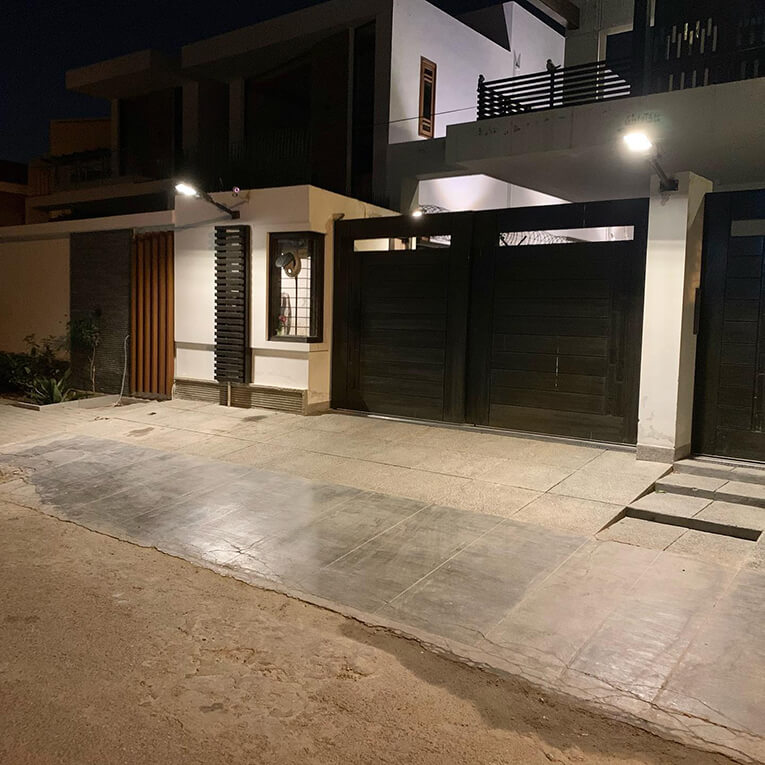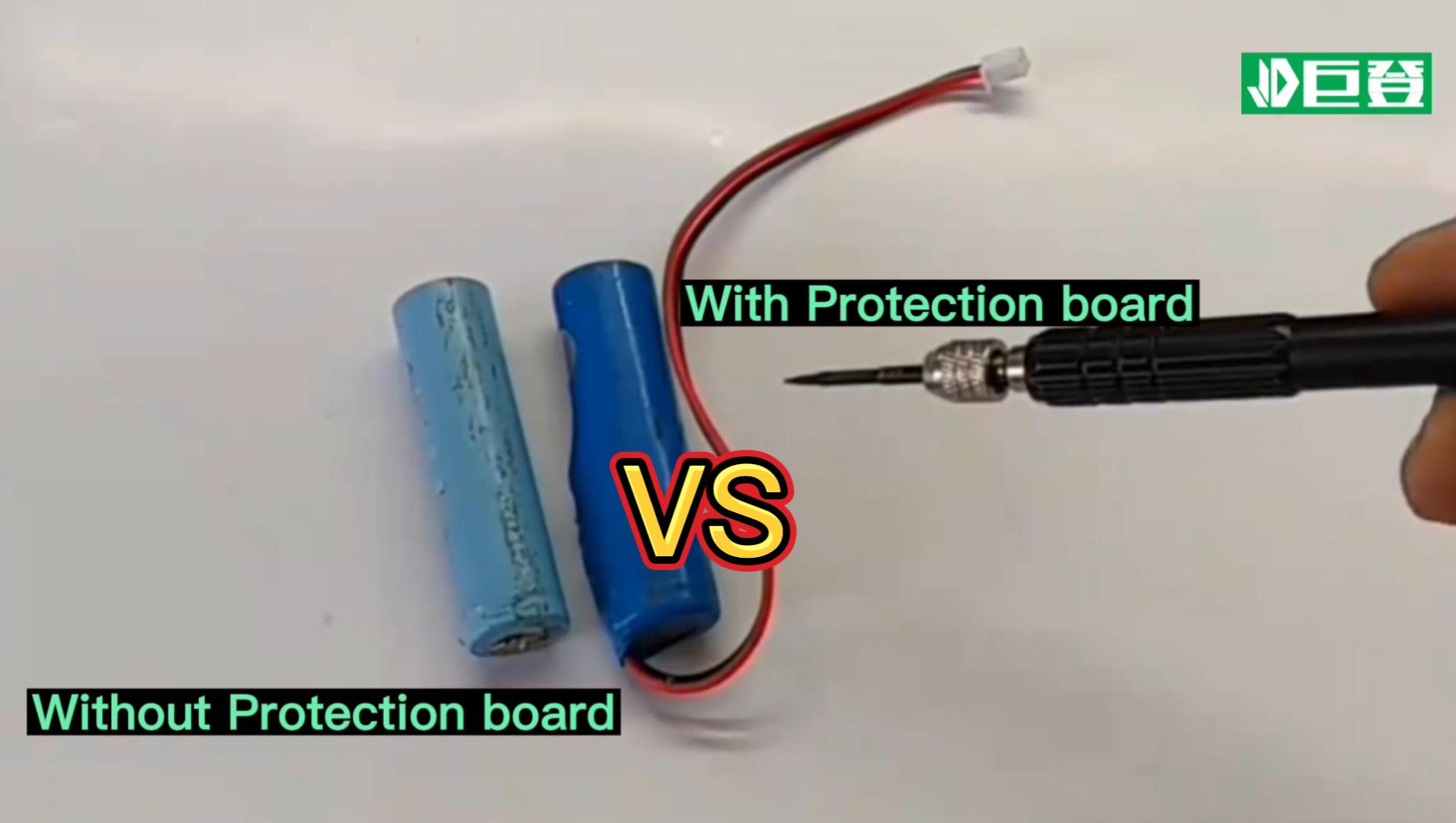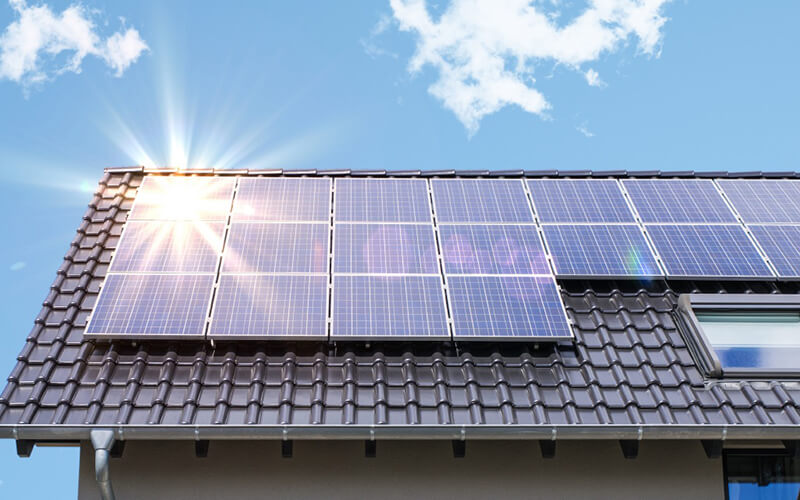
Với ngành công nghiệp quang điện mặt trời đang bùng nổ, ngày càng có nhiều người sử dụng hệ thống năng lượng mặt trời trong nhà của họ, hoặc các vật dụng sử dụng năng lượng mặt trời trong cuộc sống hàng ngày, như máy sưởi chạy bằng năng lượng mặt trời, Đèn sân vườn mặt trời, vân vân.
Thỉnh thoảng, mọi người sẽ tập trung vào chất lượng của tấm pin mặt trời vì họ muốn có nhiều ánh sáng hơn vào ban đêm, vì tấm pin mặt trời tốt hơn sẽ cho phép lưu trữ nhiều năng lượng hơn trong pin, có thể đảm bảo thời gian lâu dài.
Được biết, công suất của tấm pin năng lượng mặt trời là yếu tố quan trọng quyết định chất lượng tấm pin năng lượng mặt trời.. Công suất cao hơn, dòng điện làm việc cao hơn, hiệu quả sạc tốt hơn. Hầu hết mọi người chọn tấm pin mặt trời bằng cách so sánh công suất tấm pin mặt trời.
Tuy nhiên, nếu chúng ta tìm hiểu đặc tính phóng điện của tấm pin mặt trời, chúng ta sẽ thấy rằng năng lượng mặt trời là một trong những yếu tố ảnh hưởng đến chất lượng tấm pin mặt trời, nhưng không phải là duy nhất.
Đây là một ví dụ:
Giả sử chúng ta có hai tấm pin mặt trời A & B, tất cả đều có điện áp 6V, công suất 30W, về mặt lý thuyết hiệu suất sạc của chúng là như nhau. Nhưng nó có đúng không?
Dựa trên một thuật toán lý tưởng, trong một ngày nắng tiêu chuẩn, dòng điện đầu ra định mức là I=30W/6V=5A. Tuy nhiên, nó sẽ không bao giờ có được dòng điện 5A không đổi suốt cả ngày.
Trong ứng dụng thực tế, do các loại môi trường địa lý và điều kiện thời tiết khác nhau, hầu như không có ánh nắng lý thuyết. Đôi khi trời mưa, đôi khi trời có quá nhiều mây, ánh nắng thay đổi yếu hay mạnh. Kết quả là, tấm pin mặt trời hoạt động trong một môi trường độc đáo 80% có lẽ là vào ban ngày, đặc biệt là lúc hoàng hôn và bình minh.
Bây giờ bạn có thể hiểu rằng việc tập trung vào công thức tính toán lý thuyết là vô nghĩa, vì dòng điện đầu ra bạn tính toán yêu cầu ánh nắng luôn ổn định, nhưng nó sẽ không xảy ra dù chỉ một ngày. Hầu hết các tấm pin mặt trời nhận được ánh nắng mặt trời yếu và khó đạt được dòng điện đầu ra định mức.
Như vậy, yếu tố quan trọng nhất mà chúng ta luôn bỏ qua là hiệu suất ánh sáng yếu của tấm pin mặt trời, quyết định cách thức hoạt động của tấm pin mặt trời dưới ánh nắng yếu.
Hiệu suất ánh sáng yếu của bảng điều khiển năng lượng mặt trời là gì?
Hiệu suất ánh sáng yếu, hoặc hiệu suất ánh sáng thấp của tấm pin mặt trời, là hiệu suất phóng điện của tấm pin mặt trời trong điều kiện ánh sáng yếu.
Trích dẫn từ các trang web học thuật:
“Hiệu suất/hoạt động trong điều kiện ánh sáng yếu của tấm pin mặt trời chủ yếu phụ thuộc vào điện trở shunt và điện trở nối tiếp của tế bào.”
Trong điều kiện ánh sáng yếu, Hiệu suất xả của bảng điều khiển năng lượng mặt trời đảm bảo giá trị thấp nhất của việc sạc hệ thống năng lượng mặt trời, chúng ta có thể nói nó như là nền tảng của chất lượng tấm pin mặt trời.
Làm cách nào để biết hiệu suất ánh sáng yếu của tấm pin mặt trời có tốt hay không?
Không may, việc kiểm tra hiệu suất ánh sáng yếu của tấm pin mặt trời là khó khăn, nó đòi hỏi thiết bị chuyên nghiệp cụ thể, nhiều nhà máy hoặc nhà sản xuất thậm chí không có khả năng kiểm tra này.
Tuy nhiên, Người tiêu dùng chúng ta vẫn có thể có cách so sánh hiệu suất ánh sáng yếu của các tấm pin mặt trời bằng cách thực hiện thử nghiệm đơn giản.
Giả sử bạn có hai tấm pin mặt trời từ các nhà cung cấp khác nhau, các tấm pin mặt trời có cùng công suất, cùng điện áp, vân vân. Tất nhiên rồi, bạn cần xác nhận thông số kỹ thuật của pin cũng giống nhau, điều đó có nghĩa là những tấm pin mặt trời này có cùng giải pháp hệ thống. Bắt họ làm việc dưới ánh mặt trời vào lúc bình minh, buổi trưa, và hoàng hôn, kiểm tra và kiểm tra dòng điện đầu ra và công suất làm việc tương ứng, thì bạn có thể có kết quả là tấm pin mặt trời nào có hiệu suất ánh sáng yếu tốt hơn.
Sẽ không có sự khác biệt lớn trong những ngày nắng, nhưng khi nói đến những ngày mưa hoặc những ngày nhiều mây, hiệu suất ánh sáng yếu sẽ tạo ra sự khác biệt lớn.
Chào mừng đến với liên hệ với chúng tôi nếu có thắc mắc về chủ đề này.