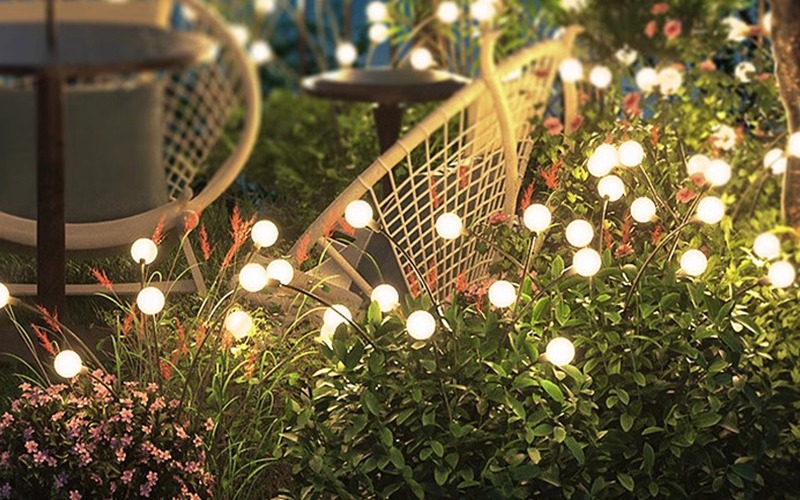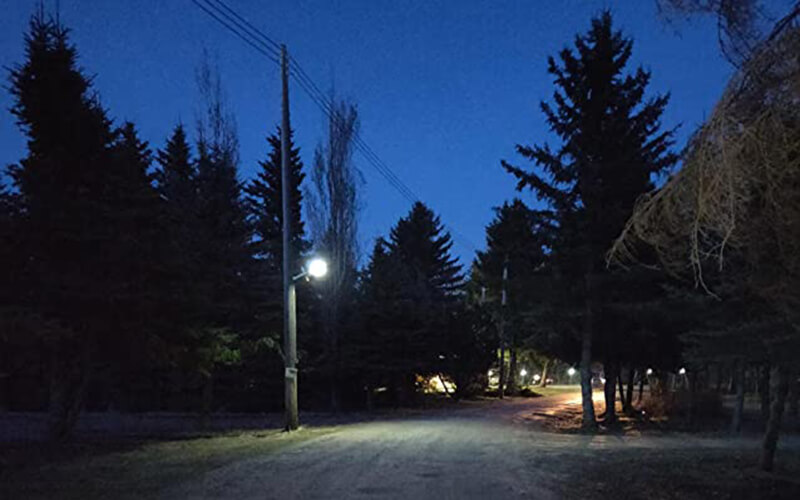
ด้วยอุตสาหกรรมเซลล์แสงอาทิตย์ที่เฟื่องฟู, ผู้คนจำนวนมากขึ้นเรื่อยๆ กำลังใช้ระบบสุริยะในบ้านของตน, หรือสิ่งของที่ใช้พลังงานแสงอาทิตย์ในชีวิตประจำวัน, เหมือนเครื่องทำความร้อนพลังงานแสงอาทิตย์, ไฟสวนพลังงานแสงอาทิตย์, ฯลฯ.
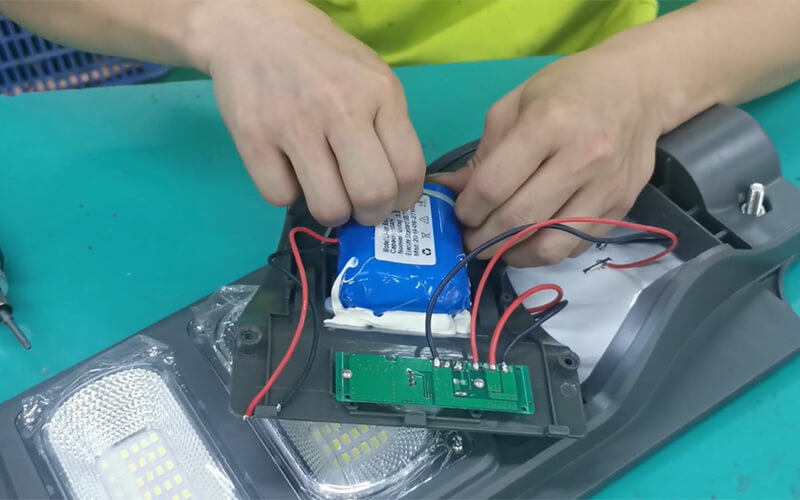
บางครั้ง, ผู้คนจะเน้นไปที่คุณภาพแผงโซลาร์เซลล์เนื่องจากต้องการแสงสว่างมากขึ้นในเวลากลางคืน, เนื่องจากแผงโซลาร์เซลล์ที่ดีกว่าช่วยให้พลังงานกักเก็บอยู่ในแบตเตอรี่ได้มากขึ้น, ซึ่งสามารถรับประกันอายุการใช้งานที่ยาวนาน.
เป็นที่ทราบกันดีว่ากำลังของแผงโซลาร์เซลล์เป็นปัจจัยสำคัญในการตัดสินใจคุณภาพของแผงโซลาร์เซลล์. วัตต์ก็สูงขึ้น, กระแสการทำงานจะสูงขึ้น, ประสิทธิภาพการชาร์จจะดีกว่า. คนส่วนใหญ่เลือกแผงโซลาร์เซลล์โดยการเปรียบเทียบพลังงานแผงโซลาร์เซลล์.
อย่างไรก็ตาม, ถ้าเราเจาะเข้าไปในลักษณะการคายประจุของแผงโซลาร์เซลล์, เราจะพบว่าพลังงานแสงอาทิตย์เป็นปัจจัยหนึ่งที่ส่งผลต่อคุณภาพของแผงโซลาร์เซลล์, แต่ไม่ใช่เพียงคนเดียว.
นี่คือตัวอย่าง:
สมมติว่าเรามีแผงโซลาร์เซลล์ A จำนวน 2 แผง & บี, ทั้งหมดนี้มีแรงดันไฟฟ้า 6V, กำลังไฟฟ้า 30W, ตามทฤษฎีแล้วประสิทธิภาพการชาร์จจะเท่ากัน. แต่มันถูกต้องหรือเปล่า?
ขึ้นอยู่กับอัลกอริทึมในอุดมคติ, ภายในเวลากลางวันที่มีแสงแดดปกติ, กระแสไฟขาออกที่กำหนดคือ I=30W/6V=5A. อย่างไรก็ตาม, มันจะไม่ได้รับกระแส 5A คงที่ตลอดทั้งวัน.
In practical application, due to the various kinds of geographical environment and weather conditions, there is almost no theoretical sunshine. Sometimes it rains, sometimes it has too many clouds in the sky, the sunshine change between weak or strong. ส่งผลให้, the solar panel works in an unconventional environment 80% of the daytime probably, especially during dusk and dawn.
Now you may understand that it is meaningless to focus on the theoretical calculation formula, as the output current you calculate requires stable sunshine all the time, but it won’t happen even a day. Most of the time the solar panel receives weak sunshine and is hard to reach the rated output current.
ดังนั้น, the most important factor we always ignore is the low light performance of the solar panel, which decides how the solar panel works under weak sunshine.
What is the low light performance for the solar panel?
Low light performance, or low light efficiency of the solar panel, is the discharging efficiency of the solar panel during low light conditions.
Quoted from the academic sites:
“The low light performance/behavior of a solar panel is mainly dependent on the shunt resistance and series resistance of the cells.”
During low light condition, the solar panel discharging perfomance ensure the lowest value of the solar system charging, we can say it as a basement of the solar panel quality.
How can I know a solar panel’s low light performance is good or not?
Unfortunately, the testing of solar panel low light performance is difficult, it requires specific professional equipment, many factories or manufacturers don’t even have this testing ability.
อย่างไรก็ตาม, we consumers can still have a way to compare the low light performance of solar panels by doing simple testing.
Assume you have two solar panels from different suppliers, the solar panels have the same power, same voltage, ฯลฯ. Of course, you need to confirm the battery spec is also the same, it means these solar panels have the same system solution. Make them work under the sun during dawn, noon, and dusk, test and check the output current and working power respectively, then you can have the result that which solar panel has the better low light performance.
There will be no big difference during sunny days, but when it comes to rainy days or cloudy days, the low light performance will make big difference.
Welcome to contact us if any questions about this topic.