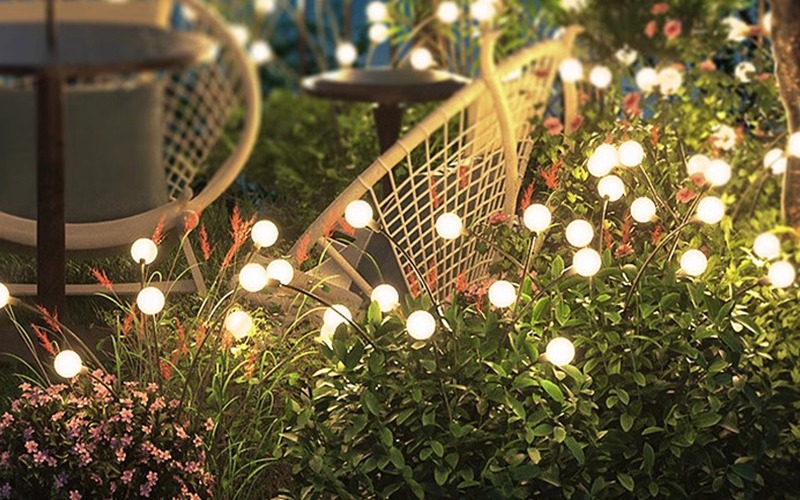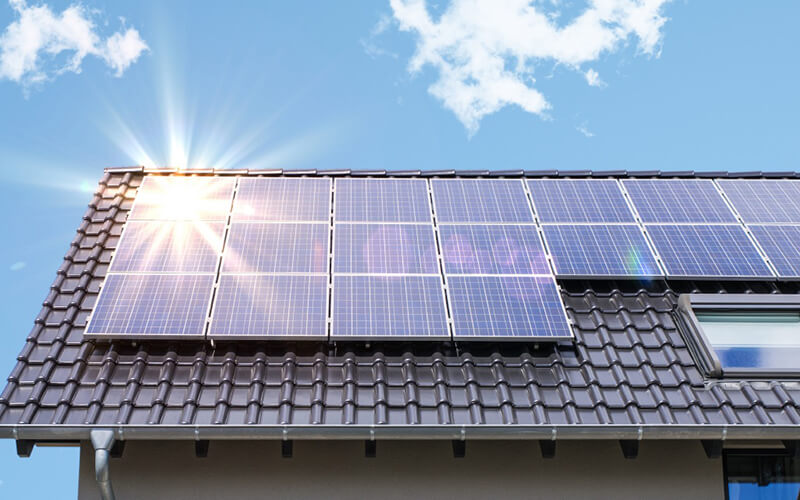
Con il boom del settore solare fotovoltaico, sempre più persone utilizzano i sistemi solari nelle loro case, o oggetti ad energia solare nella vita quotidiana, come i riscaldatori a energia solare, luci solari da giardino, ecc.
A volte, le persone si concentreranno sulla qualità del pannello solare poiché desiderano più illuminazione notturna, poiché un pannello solare migliore consente di immagazzinare più energia nelle batterie, che può garantire un tempo duraturo.
È noto che la potenza del pannello solare è un fattore vitale per decidere la qualità del pannello solare. Il wattaggio è più alto, la corrente di lavoro è più alta, l'efficienza di ricarica è migliore. La maggior parte delle persone sceglie i pannelli solari confrontando la potenza dei pannelli solari.
Tuttavia, se scaviamo all'interno della caratteristica di scarica del pannello solare, scopriremo che l'energia solare è uno dei fattori che influenzano la qualità del pannello solare, ma non l'unico.
Ecco un esempio:
Supponiamo di avere due pannelli solari A & B, sono tutti con tensione 6V, potenza 30W, teoricamente le loro prestazioni di ricarica sono le stesse. Ma è corretto??
Basato su un algoritmo ideale, entro una normale giornata di sole, la corrente nominale in uscita è I=30W/6V=5A. Tuttavia, non riceverà mai una corrente costante di 5 A per l'intera giornata.
Nell'applicazione pratica, a causa dei vari tipi di ambiente geografico e di condizioni meteorologiche, non c'è quasi nessun sole teorico. A volte piove, a volte ci sono troppe nuvole nel cielo, il sole cambia tra debole o forte. Di conseguenza, il pannello solare funziona in un ambiente non convenzionale 80% del giorno probabilmente, soprattutto durante il tramonto e l'alba.
Ora potresti capire che non ha senso concentrarsi sulla formula di calcolo teorico, poiché la corrente di uscita calcolata richiede una luce solare stabile tutto il tempo, ma non accadrà nemmeno un giorno. Nella maggior parte dei casi il pannello solare riceve una luce solare debole ed è difficile raggiungere la corrente di uscita nominale.
Così, il fattore più importante che ignoriamo sempre è la prestazione del pannello solare in condizioni di scarsa illuminazione, che decide come funziona il pannello solare in caso di luce solare debole.
Qual è la prestazione in condizioni di scarsa illuminazione del pannello solare??
Prestazioni in condizioni di scarsa illuminazione, o scarsa efficienza luminosa del pannello solare, è l'efficienza di scarica del pannello solare in condizioni di scarsa illuminazione.
Citato da siti accademici:
"Le prestazioni/comportamento in condizioni di scarsa illuminazione di un pannello solare dipendono principalmente dalla resistenza shunt e dalla resistenza in serie delle celle."
In condizioni di scarsa illuminazione, le prestazioni di scarico del pannello solare garantiscono il valore più basso di carica del sistema solare, possiamo dirlo come un seminterrato della qualità del pannello solare.
Come posso sapere se le prestazioni in condizioni di scarsa illuminazione di un pannello solare sono buone o meno??
Purtroppo, testare le prestazioni dei pannelli solari in condizioni di scarsa illuminazione è difficile, richiede attrezzature professionali specifiche, molte fabbriche o produttori non hanno nemmeno questa capacità di test.
Tuttavia, noi consumatori possiamo ancora avere un modo per confrontare le prestazioni dei pannelli solari in condizioni di scarsa illuminazione eseguendo semplici test.
Supponiamo di avere due pannelli solari di fornitori diversi, i pannelli solari hanno la stessa potenza, stessa tensione, ecc. Ovviamente, è necessario confermare che anche le specifiche della batteria siano le stesse, significa che questi pannelli solari hanno la stessa soluzione impiantistica. Fateli lavorare sotto il sole durante l'alba, mezzogiorno, e crepuscolo, testare e controllare rispettivamente la corrente di uscita e la potenza di lavoro, quindi puoi ottenere il risultato quale pannello solare ha le migliori prestazioni in condizioni di scarsa illuminazione.
Non ci sarà grande differenza durante le giornate soleggiate, ma quando si tratta di giornate piovose o nuvolose, le prestazioni in condizioni di scarsa illuminazione faranno una grande differenza.
Benvenuto a contattaci se avete domande su questo argomento.