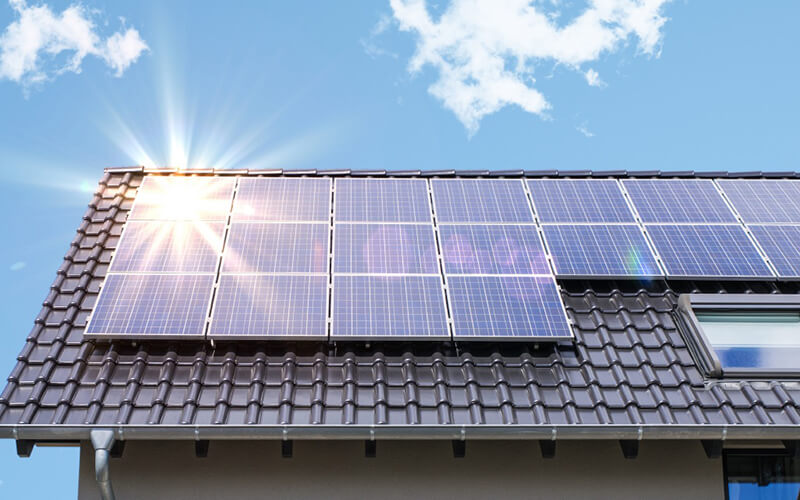
Με την ακμάζουσα βιομηχανία ηλιακών φωτοβολταϊκών, Όλο και περισσότεροι άνθρωποι χρησιμοποιούν ηλιακά συστήματα στα σπίτια τους, ή αντικείμενα που λειτουργούν με ηλιακή ενέργεια στην καθημερινή ζωή, σαν ηλιακές θερμάστρες, ηλιακά φώτα κήπου, και τα λοιπά.
Μερικές φορές, Οι άνθρωποι θα επικεντρωθούν στην ποιότητα του ηλιακού πάνελ καθώς θέλουν περισσότερο φωτισμό τη νύχτα, καθώς ένα καλύτερο ηλιακό πάνελ επιτρέπει περισσότερη ενέργεια που αποθηκεύεται στις μπαταρίες, που μπορεί να εξασφαλίσει μακροχρόνιο χρόνο.
Είναι γνωστό ότι η ισχύς του ηλιακού πάνελ είναι ζωτικής σημασίας παράγοντας για να καθοριστεί η ποιότητα του ηλιακού πάνελ. Η ισχύς είναι μεγαλύτερη, το ρεύμα εργασίας είναι υψηλότερο, η απόδοση φόρτισης είναι καλύτερη. Οι περισσότεροι άνθρωποι επιλέγουν ηλιακούς συλλέκτες συγκρίνοντας την ισχύ των ηλιακών πάνελ.
Ωστόσο, αν σκάψουμε μέσα το χαρακτηριστικό εκφόρτισης του ηλιακού πάνελ, θα διαπιστώσουμε ότι η ηλιακή ενέργεια είναι ένας από τους παράγοντες που επηρεάζουν την ποιότητα του ηλιακού πάνελ, αλλά όχι το μοναδικό.
Εδώ είναι ένα παράδειγμα:
Ας υποθέσουμε ότι έχουμε δύο ηλιακά πάνελ Α & σι, είναι όλα με τάση 6V, ισχύς 30W, θεωρητικά η απόδοση φόρτισης είναι ίδια. Είναι όμως σωστό?
Βασισμένο σε έναν ιδανικό αλγόριθμο, μέσα σε μια τυπική ηλιοφάνεια, το ονομαστικό ρεύμα εξόδου είναι I=30W/6V=5A. Ωστόσο, Δεν θα έχει ποτέ σταθερό ρεύμα 5Α όλη την ημέρα.
In practical application, due to the various kinds of geographical environment and weather conditions, there is almost no theoretical sunshine. Sometimes it rains, sometimes it has too many clouds in the sky, the sunshine change between weak or strong. Ως αποτέλεσμα, the solar panel works in an unconventional environment 80% of the daytime probably, especially during dusk and dawn.
Now you may understand that it is meaningless to focus on the theoretical calculation formula, as the output current you calculate requires stable sunshine all the time, but it won’t happen even a day. Most of the time the solar panel receives weak sunshine and is hard to reach the rated output current.
Ετσι, the most important factor we always ignore is the low light performance of the solar panel, which decides how the solar panel works under weak sunshine.
What is the low light performance for the solar panel?
Low light performance, or low light efficiency of the solar panel, is the discharging efficiency of the solar panel during low light conditions.
Quoted from the academic sites:
“The low light performance/behavior of a solar panel is mainly dependent on the shunt resistance and series resistance of the cells.”
During low light condition, the solar panel discharging perfomance ensure the lowest value of the solar system charging, we can say it as a basement of the solar panel quality.
How can I know a solar panel’s low light performance is good or not?
Unfortunately, the testing of solar panel low light performance is difficult, it requires specific professional equipment, many factories or manufacturers don’t even have this testing ability.
Ωστόσο, we consumers can still have a way to compare the low light performance of solar panels by doing simple testing.
Assume you have two solar panels from different suppliers, the solar panels have the same power, same voltage, και τα λοιπά. Of course, you need to confirm the battery spec is also the same, it means these solar panels have the same system solution. Make them work under the sun during dawn, noon, and dusk, test and check the output current and working power respectively, then you can have the result that which solar panel has the better low light performance.
There will be no big difference during sunny days, but when it comes to rainy days or cloudy days, the low light performance will make big difference.
Καλώς ορίσατε στο contact us if any questions about this topic.